Home › Services › Bat Inspection
Bat Inspection in Charleston, SC
Thorough attic and exterior inspections to find bats, entry points, and damage.
Call (843) 874-6446 for a free estimate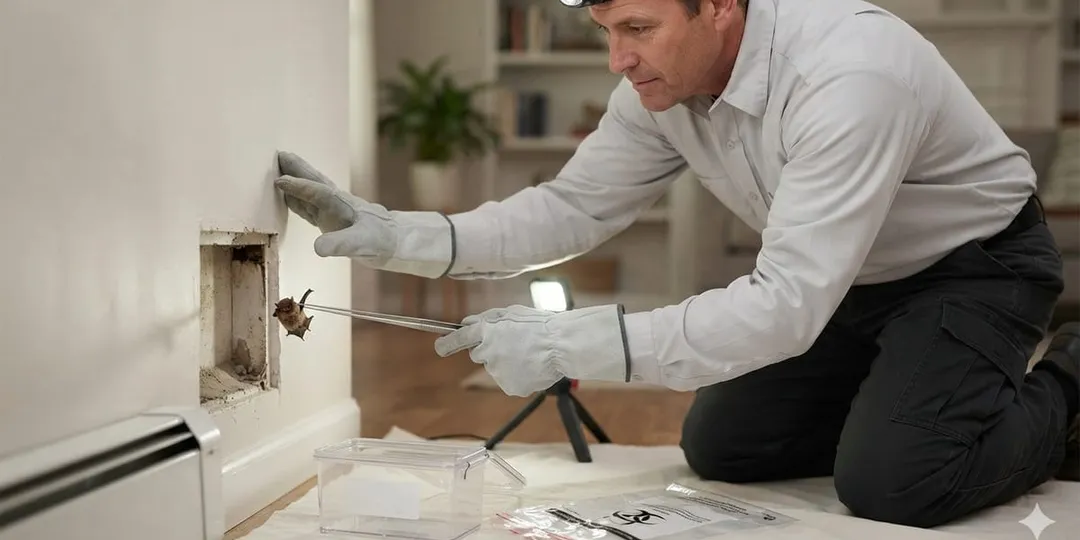
What this service covers
Bat inspection in Charleston, SC is the first step in solving any bat problem. A professional inspection tells you whether you actually have bats, where they're getting in, how bad the damage is, and what it will take to fix it. Charleston Bat Removers performs comprehensive attic and exterior inspections for homeowners across the Lowcountry — checking for guano, staining, and bat activity inside, and auditing every gap, vent, and opening on your roofline outside. You get a written report with photos, a recommended action plan, and an itemized quote. Inspections are free when bundled with a project, and they're the foundation of every successful bat removal job.
What a Bat Inspection Covers
A bat inspection is a top-to-bottom assessment of your home — inside and out — to determine whether bats are present, where they're entering, and what damage they've caused. We start in the attic. With headlamps and inspection cameras, we check every surface for guano, urine staining, bat presence, and signs of roosting. We look for compressed insulation, dark staining on wood and drywall, and the entry points bats are using to access the attic from inside the structure.
Then we move to the exterior. We examine the full roofline — gable vents, soffit panels, ridge vents, chimney flashing, dormer junctions, and siding gaps. Bats can enter through any opening 3/8 inch or larger, so we check everything. We look for staining on siding near potential entry points, guano accumulation on the ground below, and physical gaps that bats could use now or in the future.
You get a written report with photos of every finding. We show you the actual entry points, the guano deposits, the damage — all documented so you can see exactly what's happening in your attic. The report includes a recommended action plan and an itemized quote for any work that's needed. No pressure, no vague estimates — just the information you need to make a decision.
When You Need a Bat Inspection
There are several situations where a bat inspection makes sense. The most obvious: you're hearing sounds in the attic or walls at dusk and dawn. That scratching and squeaking is the classic bat sign, and an inspection confirms whether it's bats or something else — squirrels, rats, and birds can make similar noises.
If you're buying a home in the Charleston area, especially an older property or one near marshes or wooded areas, a bat inspection is worth adding to your due diligence. Bat problems aren't always visible during a standard home inspection — the inspector might not go into the attic, or might not recognize early signs of bat activity. Finding a bat problem before you close gives you leverage for repairs or the option to walk away.
After a neighbor reports bat activity, it's smart to get your home inspected too. Bats don't respect property lines, and if your neighbor has them, you might too. We also recommend inspections for historic homes as part of routine maintenance — once a year for homes in the Historic District, James Island, or anywhere with older construction. Catching a bat problem early is dramatically cheaper than dealing with an established colony and full attic remediation.
Why Charleston Homes Need Regular Bat Inspections
Charleston homes are more vulnerable to bat entry than homes in most other parts of the country, and it comes down to three factors: age, climate, and environment. The historic homes that define Charleston's charm are also its most bat-vulnerable. Pre-1950s construction techniques, wood shrinkage over decades, and storm exposure create gaps that weren't there when the house was built. A home that was bat-tight twenty years ago might have a dozen entry points today.
The Lowcountry environment makes it worse. Marsh-adjacent properties have higher insect populations, which means more bats in the area. The live oaks and Spanish moss that make Charleston beautiful also provide natural bat roosting habitat — and when those natural roosts get disturbed by development or storms, bats move into the nearest structure with a gap. Your house.
A visual check from the ground doesn't cut it. Entry points are often invisible from below — gable vent gaps, soffit openings, ridge vent failures. A quick peek into the attic through the access hatch won't reveal guano in the far corners or staining on the underside of the roof deck. A professional inspection with proper equipment — headlamps, inspection cameras, moisture meters — finds what homeowners miss.
What Affects Bat Inspection Cost
For most homeowners, inspections are free. We bundle the inspection with a project quote — if you need exclusion, remediation, or proofing, the inspection is part of the estimate at no additional cost. This is the most common scenario, and it means there's no financial barrier to finding out what's going on in your attic.
Standalone inspections — where you want an assessment but aren't ready to commit to work — may carry a fee. This typically applies to pre-purchase inspections for real estate transactions, commercial property inspections, or situations where you want a second opinion from another company's work. The fee varies based on the size and complexity of the property, and if you later decide to proceed with work we've recommended, the inspection fee is credited toward the project.
Either way, an inspection is the cheapest step in the process. Skipping it leads to incomplete work, surprise costs during the project, and bats returning after exclusion because entry points were missed. We've seen jobs where a previous company excluded the primary entry point but missed three secondary gaps — and the bats were back within a month. A thorough inspection catches all of them.
What Happens After a Bat Inspection
After the inspection, you get a written report — typically delivered the same day or within 24 hours. The report includes photos of every finding, a map of entry points on your home, a guano assessment with volume estimates if applicable, an evaluation of insulation condition, and a damage report covering any structural issues caused by the bats.
If exclusion or remediation is recommended, the report includes an itemized quote with a breakdown of costs by phase. You'll see exactly what each part of the job costs — inspection, exclusion, proofing, remediation — and what's optional versus necessary. We also include a recommended timeline, taking into account South Carolina's maternity season restrictions and your schedule.
From there, it's your call. No pressure, no sales tactics. You can proceed with the full recommendation, pick specific phases, or sit on it and think. If you do proceed, we schedule the work and walk you through what to expect on each day. If bats aren't found during the inspection — which happens — we'll tell you that too and advise on preventive proofing if your home is vulnerable.
Service areas
We provide bat inspection across Charleston and the surrounding Lowcountry communities:
Frequently Asked Questions
What does a bat inspection involve?
A full attic and exterior inspection: we check for guano, staining, and bat activity in the attic using headlamps and inspection cameras; examine every part of your roofline — vents, soffits, chimneys, siding — for entry points; assess damage and contamination; and provide a written report with photos and an itemized quote.
How do I know if I need a bat inspection?
Schedule an inspection if you hear scratching or squeaking at dusk and dawn, find guano on your property, see bats exiting your home at sunset, or are buying a home with suspected bat issues. For historic Charleston homes, an annual inspection is good preventive maintenance. When in doubt, an inspection is cheap insurance.
Are bat inspections free?
Inspections are free when bundled with a project quote for exclusion or remediation work. Standalone inspections — like pre-purchase assessments for real estate transactions — may carry a fee, which is credited toward any future work you schedule with us. Call to discuss your situation.
What happens after the inspection?
You receive a written report with photos, identified entry points, a guano and damage assessment, and an itemized quote for recommended work. No pressure — you decide what to do and when. If exclusion or remediation is needed, we explain the timeline (including any SC maternity season restrictions) and walk you through the process.